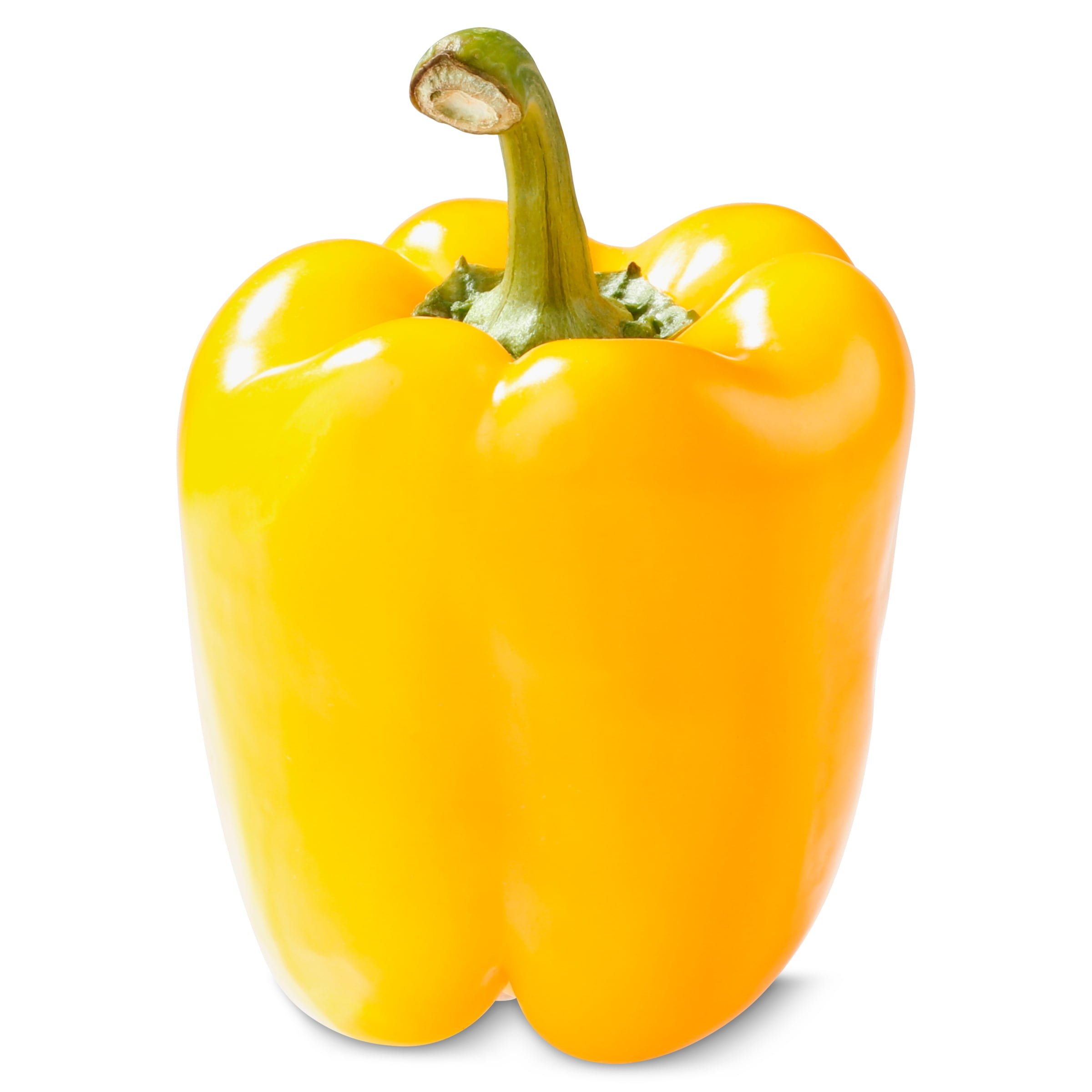
Yellow pepper, the unsung hero of the vegetable world. Packed with vibrant color and a crisp, sweet flavor. Wondering how to make the most of this versatile ingredient? Look no further. From salads to stir-fries, yellow pepper adds a pop of sunshine to any dish. Its health benefits are equally impressive, loaded with antioxidants and vitamin C. Let’s dive into the world of yellow pepper and unlock its culinary potential.

Discover the Vibrant World of Yellow Pepper
Yellow peppers are not just colorful vegetables that brighten up your plate but are packed with flavor and nutrients. In this comprehensive guide, we will delve deep into the sunny world of yellow peppers, exploring their origins, nutritional benefits, culinary uses, and fun facts. So, grab a seat and prepare to be amazed by the golden goodness of yellow peppers!
The Origins of Yellow Pepper
Yellow peppers, also known as sweet peppers or bell peppers, belong to the Capsicum annuum species, which includes various pepper varieties. These vibrant vegetables are believed to have originated in Central and South America, where they have been cultivated for thousands of years. Today, yellow peppers are grown all around the world, from the United States to Europe and Asia.
Nutritional Benefits of Yellow Pepper
Don’t let their sunny appearance fool you; yellow peppers are nutritional powerhouses. These peppers are rich in vitamins and minerals, making them an excellent addition to a healthy diet. One medium-sized yellow pepper contains high levels of vitamin C, vitamin A, vitamin K, and fiber. Vitamin C, in particular, is essential for boosting the immune system and promoting healthy skin.
Yellow peppers are also low in calories, making them a great option for those looking to maintain a healthy weight. Additionally, they are free of fat and cholesterol, making them a heart-healthy choice. The vibrant hue of yellow peppers indicates the presence of antioxidants, such as beta-carotene and lutein, which help protect the body from oxidative damage.
Culinary Uses of Yellow Pepper
Yellow peppers are incredibly versatile in the kitchen and can be enjoyed in various ways. Their sweet and slightly tangy flavor adds a pop of brightness to dishes, making them a favorite among chefs and home cooks alike. Here are some creative ways to incorporate yellow peppers into your meals:
1. Roasted Yellow Pepper Soup
Roasting yellow peppers brings out their natural sweetness and adds a smoky depth to dishes. Try making a velvety roasted yellow pepper soup by blending roasted peppers with vegetable broth, onions, and garlic. Top it off with a dollop of sour cream or a sprinkle of fresh herbs for a comforting meal.
2. Yellow Pepper Stir-Fry
Slice yellow peppers into thin strips and stir-fry them with your favorite vegetables, protein, and sauces for a quick and nutritious meal. The vibrant colors of the peppers will make your stir-fry visually appealing, while their crunch adds a lovely texture to the dish.
3. Stuffed Yellow Peppers
Hollow out yellow peppers and fill them with a flavorful mixture of rice, protein, and seasonings. Bake them until the peppers are tender and the filling is cooked through for a satisfying and delicious meal. You can get creative with the fillings, from Mediterranean-inspired quinoa to spicy Mexican-style beans.
Fun Facts About Yellow Pepper
Yellow peppers are not only delicious but also have some fascinating facts that will make you appreciate them even more. Here are some fun facts about yellow peppers:
1. Different Stages of Ripeness
Yellow peppers start green and turn yellow as they ripen. At each stage of ripeness, the peppers have distinct flavors and textures. Green peppers are more bitter, while yellow peppers are sweeter and milder. Some people prefer the taste of yellow peppers over green for this reason.
2. Nutrient Content
Yellow peppers contain more vitamin C than oranges. One medium yellow pepper provides over 150% of the recommended daily intake of vitamin C, making it an excellent source of this essential nutrient.
3. Versatile Ingredient
Yellow peppers can be used in a wide range of dishes, from salads and stir-fries to casseroles and dips. Their vibrant color and sweet flavor make them a popular choice for adding a pop of brightness to any meal.
In conclusion, yellow peppers are not only delicious but also nutritious and versatile. Whether you enjoy them raw, roasted, or stuffed, these sunny vegetables are sure to elevate your culinary creations. So, next time you’re at the grocery store, don’t forget to pick up a few golden yellow peppers and let their sunshine brighten up your plate!
The Ultimate Bell Pepper Guide
Frequently Asked Questions
Are yellow peppers spicy?
Yellow peppers are not typically spicy. They are milder in flavor compared to red or green bell peppers, making them a great option for those who prefer a sweeter taste in their dishes.
How do I incorporate yellow peppers into my cooking?
You can add yellow peppers to stir-fries, salads, omelets, or even roast them for a flavorful side dish. They can also be grilled, sautéed, or used in soups and sauces to enhance the dish with their vibrant color and slightly sweet taste.
Are yellow peppers nutritious?
Yellow peppers are rich in vitamins C and A, antioxidants, and fiber. They also contain some folate and potassium, making them a nutritious addition to a well-rounded diet. Including yellow peppers in your meals can contribute to your overall health and well-being.
Final Thoughts
In conclusion, yellow peppers are a versatile and nutritious vegetable that can add a pop of color and flavor to any dish. Whether roasted, grilled, or raw, yellow peppers offer a sweet and slightly tangy taste that complements a variety of ingredients. With their high vitamin C content and low calorie count, yellow peppers are a healthy addition to your diet. So next time you’re looking to brighten up your meal, consider incorporating yellow peppers for a tasty and vibrant twist.