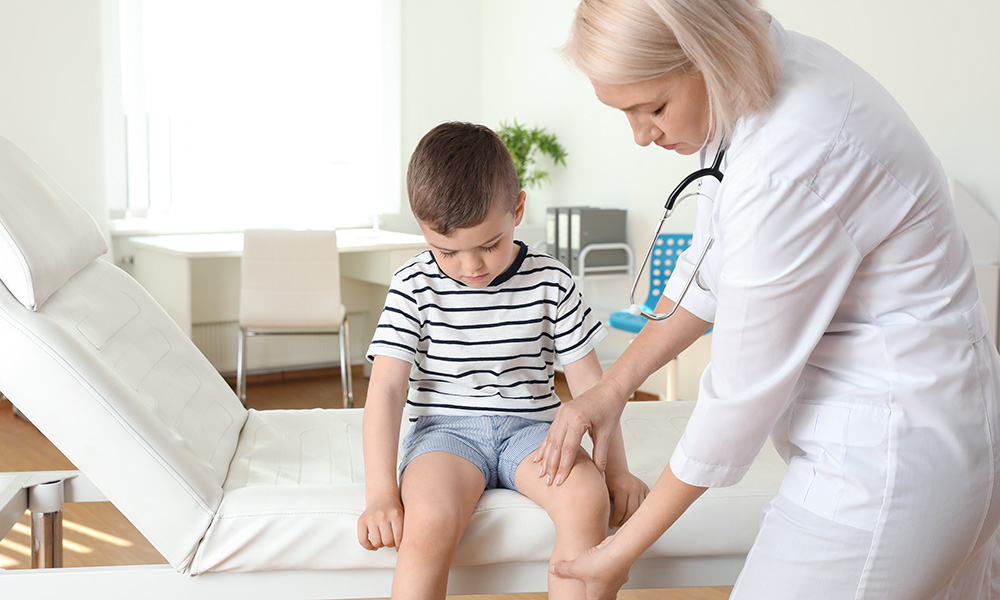
A child’s ability to move, play, and explore the world confidently depends greatly on strong bones, healthy joints, and a well-functioning immune system. When pain, stiffness, injuries, or unexplained inflammation interfere with daily activities, parents often begin searching for a trusted pediatric orthopedic surgeon near me to ensure timely and specialized care. Early attention to musculoskeletal and immune-related concerns can prevent long-term complications and support a child’s overall development.
Children are constantly growing, and their bodies respond differently to injuries and illnesses compared to adults. This is why specialized pediatric care is essential. From bone deformities and fractures to autoimmune conditions affecting joints and muscles, expert evaluation ensures accurate diagnosis and safe treatment tailored to growing bodies.
Understanding Pediatric Orthopaedic Health
Bones and joints in children are still developing. Growth plates, which are areas of soft tissue near the ends of long bones, are particularly delicate. An untreated injury or poorly managed condition can affect long-term growth and alignment.
A qualified pediatric orthopaedic surgeon understands the complexity of these growth patterns. Unlike general orthopaedic specialists, pediatric experts focus exclusively on musculoskeletal conditions in infants, children, and adolescents. They are trained to diagnose and treat issues such as congenital limb differences, scoliosis, fractures, sports injuries, and gait abnormalities.
Early intervention often leads to better results. For example, correcting bone alignment at a young age may prevent the need for more complex procedures later. Pediatric orthopaedic care emphasizes gentle techniques, minimally invasive procedures when possible, and rehabilitation plans designed specifically for children.
When Joint Pain Signals Something More
Not all joint or muscle pain in children is caused by injury. Persistent swelling, stiffness, or unexplained fatigue may indicate underlying immune-related conditions. This is where the connection between bone health and immunology rheumatology becomes important.
Certain autoimmune disorders can cause inflammation in joints and connective tissues. Juvenile arthritis, for instance, may lead to pain and restricted movement if not managed properly. Rheumatology specialists work closely with orthopaedic teams to diagnose these conditions and create comprehensive treatment plans.
Early diagnosis is crucial. With proper management, children with autoimmune conditions can lead active, fulfilling lives. Treatment may include medication, physical therapy, and lifestyle adjustments that reduce inflammation and protect joint health.
The Importance of Early Assessment
Parents often wonder whether a child’s complaint is simply part of normal growth or something more serious. While occasional aches can be common during growth spurts, persistent discomfort should not be ignored.
Signs that require medical attention include recurring limping, limited range of motion, swelling around joints, frequent fractures, or pain that disrupts sleep. An expert evaluation ensures that minor issues do not evolve into long-term complications.
Pediatric specialists use child-friendly diagnostic tools such as imaging studies and laboratory tests to determine the underlying cause. Because children may struggle to describe their symptoms clearly, doctors rely on careful observation and detailed medical history.
Advanced Treatment Options for Growing Bodies
Modern pediatric orthopaedic and rheumatology care has advanced significantly in recent years. Today’s treatment options focus on precision, safety, and minimal disruption to a child’s daily routine.
In orthopaedics, minimally invasive surgical techniques reduce recovery time and discomfort. Customized braces, casts, and physical therapy programs support proper healing and alignment. For immune-related conditions, targeted medications help control inflammation without compromising overall growth.
Technology also plays an important role. Digital imaging allows doctors to monitor bone growth over time, ensuring that treatments adapt as the child develops. Coordinated care between orthopaedic surgeons and rheumatology specialists ensures that all aspects of the child’s condition are addressed.
Supporting Active Lifestyles
Children thrive when they can move freely. Physical activity supports bone strength, muscle development, and emotional well-being. When musculoskeletal or immune conditions limit mobility, early intervention helps restore confidence and independence.
Rehabilitation programs are designed to rebuild strength gradually. Pediatric physiotherapists work closely with specialists to create exercises that are safe, engaging, and effective. The goal is not only recovery but also prevention of future injuries.
Parents play an important role in this process. Encouraging safe activity, ensuring adherence to treatment plans, and attending follow-up visits contribute significantly to long-term success.
The Value of Multidisciplinary Collaboration
Orthopaedic and immune-related conditions often overlap. A child with an autoimmune disorder may develop joint deformities if inflammation is not controlled. Conversely, musculoskeletal abnormalities may sometimes reveal underlying systemic conditions.
Collaboration between pediatric orthopaedic surgeons, rheumatologists, pediatricians, and physiotherapists ensures comprehensive care. This multidisciplinary approach reduces treatment delays and improves overall outcomes. Families benefit from having coordinated services under one healthcare system. It simplifies communication and ensures that specialists share information seamlessly.
Long-Term Monitoring for Sustainable Health
Children’s bodies continue to grow and change. Even after successful treatment, periodic monitoring ensures that growth patterns remain normal and complications do not arise.
Regular follow-ups allow specialists to adjust treatment plans as needed. This proactive approach protects long-term mobility and joint function. It also provides reassurance to parents, knowing that their child’s health is being closely observed.
Preventive strategies such as balanced nutrition, regular exercise, and early evaluation of new symptoms contribute to sustained well-being.
Building a Strong Foundation for the Future
The ultimate goal of pediatric orthopaedic and immune care is to help children lead active, confident lives. Early intervention, advanced treatment, and compassionate support create a strong foundation for healthy adulthood.
When families choose specialized care, they invest in their child’s long-term quality of life. Expert evaluation ensures that conditions are managed effectively, reducing the risk of chronic complications.
Children deserve healthcare that understands their unique needs and supports their growth at every stage. With the right medical team, they can overcome challenges and continue to explore the world with strength and confidence.
Conclusion
Musculoskeletal and immune-related conditions can significantly influence a child’s development, mobility, and overall happiness. Access to experienced specialists, modern technology, and coordinated care ensures that children receive accurate diagnosis and effective treatment. Early attention to symptoms protects long-term health and empowers families with clarity and reassurance. Through specialized pediatric orthopedic care, children receive targeted treatment that supports proper growth, strengthens mobility, and helps them return to everyday activities with confidence and comfort.
For families seeking comprehensive pediatric orthopaedic and immune care, Ankura Hospitals provides advanced treatment options, multidisciplinary expertise, and a compassionate approach designed to support every child’s journey toward strength, mobility, and lifelong well-being.