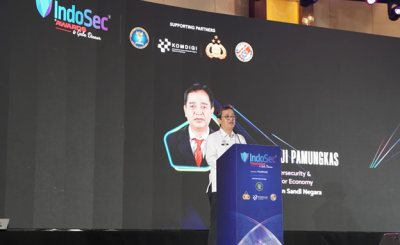
Public administrations are rapidly evolving as governments adopt innovative solutions to improve citizen experiences and operational efficiency. Among the most impactful innovations are digital government services, which allow citizens to access programs, submit requests, and monitor outcomes seamlessly. These platforms not only streamline operations but also strengthen transparency, responsiveness, and public trust. By modernizing service delivery, governments can ensure that citizens interact with administrative systems in ways that are convenient, reliable, and inclusive.
Improving Citizen Engagement by Smart Platforms
Smart platforms are changing how citizens interact with the administration and making the process more meaningful and simplified.
- Online Interactive Portals: The portals are centralized platforms where the citizens can make requests, monitor the progress of applications, and give feedback. Such portals save time because there will be no physical visits, and people and administrators will save time. Centering services in a single place, these platforms create a more stable and streamlined experience to the user in different departments within the government.
- Custom Dashboards: Custom dashboards will enable users to use forms, deadlines, and updates that are specific to their needs. Citizens will be able to simplify the complex administrative procedures by personalizing the information that they see, making them less confusing and leading to the enhancement of satisfaction with the government services. The personalization aspect will also motivate the users to use the platform more often.
- Multichannel Access: Access through web, mobile, and chat interfaces will be provided to make sure that citizens have access to services through the best platform that suits their lifestyles. This is not only convenient but it also instills trust, and since individuals feel confident to work on platforms they feel most at ease with, this creates a more significant participation and feedback loop.
Harmonizing Internal Performance within Government Agencies
The contemporary administrative instruments promote the effectiveness of the work at the institutions of the state. Online governmental programs play a central role in automating the process, enhancing teamwork, and optimizing the distribution of resources.
- Automated Process: Repetitive activities in administration, including approvals, notifications, and scheduling, can now be automated. Given that automation minimizes the chances of mistakes, saves time, and liberates employees to engage in higher-value and strategic work that leads to better service delivery to the people and satisfaction among the citizens.
- Integrated Data Systems: Data sharing within the department enables the agencies to have a consistent picture of records to eliminate duplications and delays. Integrated systems can be used to provide a more coordinated way of planning, faster response time for delivering services, and assist administrators in making decisions using actual and complete information in real-time.
- Real-time Performance Monitoring: Dashboards to keep track of important performance indicators will help managers identify the points where performance slows down and solve the problem in a timely manner. This will help keep services of high quality, be responsive, and provide the possibility of the administration efficiency improvement in a continuous manner due to the effectiveness of various workflow monitoring.
Enhancing Accountability and Transparency
The emerging digital tools are improving visibility in government activities that encourage accountability and trust among the citizens.
- Access to Open Data: Government policies, spending, and operations results are made transparent through public dashboards. Open access enables citizens to be informed on the utilization of resources, fosters participatory governance, and assists the stakeholders in holding the public agencies accountable to their judgment and actions.
- Audit Trails and Logs: Detailed records of actions and decisions assist to tracing changes, make sure that compliance, and highlight areas that can be improved. Audit trails present a traceable record that enhances accountability in agencies and also makes sure that the practices taking place in the agencies comply with the regulations and ethics.
- Integrating Customer Feedback: Services that receive reviews and ratings from citizens enable agencies to develop services that are in line with the expectations of the users. Integrating the element of real-life feedback into the delivery of services offers the administrators an opportunity to streamline the processes, enhance satisfaction, and take decisive steps to enhance effectiveness and engagement.
Achieving and Accelerating Government Services
With the adoption of advanced systems by governments, security, access, and scalability are of paramount importance to service reliability.
- Strong Cybersecurity: Sensitive information of citizens is safeguarded by encryption, multiple-factor authentication, and constant surveillance. High-level security is what instills confidence in people utilizing digital government services within the government and is a preventive measure against data leakage, hence keeping both personal and operational information confidential.
- Inclusive Design: Platforms will be inclusive, so that they can support many users with different abilities, such as multiple languages, screen-reader support, and being easily navigated. This would make it a fair access to everyone, encouraging all the citizens to get involved in it regardless of their age, level of education, and technical skills.
- Scalability of the Infrastructure: Cloud computing provides a way to use systems to withstand peaks in demand. Scalable platforms guarantee continuity even during peak hours or in times of emergency, so that the citizens are assured of continuity in service delivery at any time of the day.
Retaliation with Greater Digital Change
Next-gen platforms must be complemented with wider digital government strategies in order to achieve maximum benefits.
- Single Citizen Experience: The coordinated experience of services will enable seamless interactions between various departments and the ability to access the various programs using one interface. This simplifies the systems and offers the user a more unified experience when going through government systems.
- Optimization of Resources: The coordinated systems minimize redundant activities, efficiently use budgets, and efficiently deploy staff and infrastructure. This strategy reduced wastage but enhanced the performance of general services.
- Enabling Innovation: Integrated platforms support experimentation on new digital solutions, making governments pilot new initiatives and expand successful ones that can improve the quality of services provided and citizen involvement.
Conclusion
The modernization of public administration through next-generation platforms is transforming governments into more transparent, efficient, and citizen-centric institutions. By integrating digital government services into everyday operations and embedding them within broader digital government frameworks, agencies can improve decision-making, enhance service delivery, and build stronger public trust. Platforms like those showcased by GOVX.0 Philippines illustrate the potential of these tools, offering practical insights and best practices for effective implementation. By leveraging intelligent technology thoughtfully, public administrations can create services that are reliable, inclusive, and adaptive, setting a new standard for accessible, high-quality governance in the digital era.