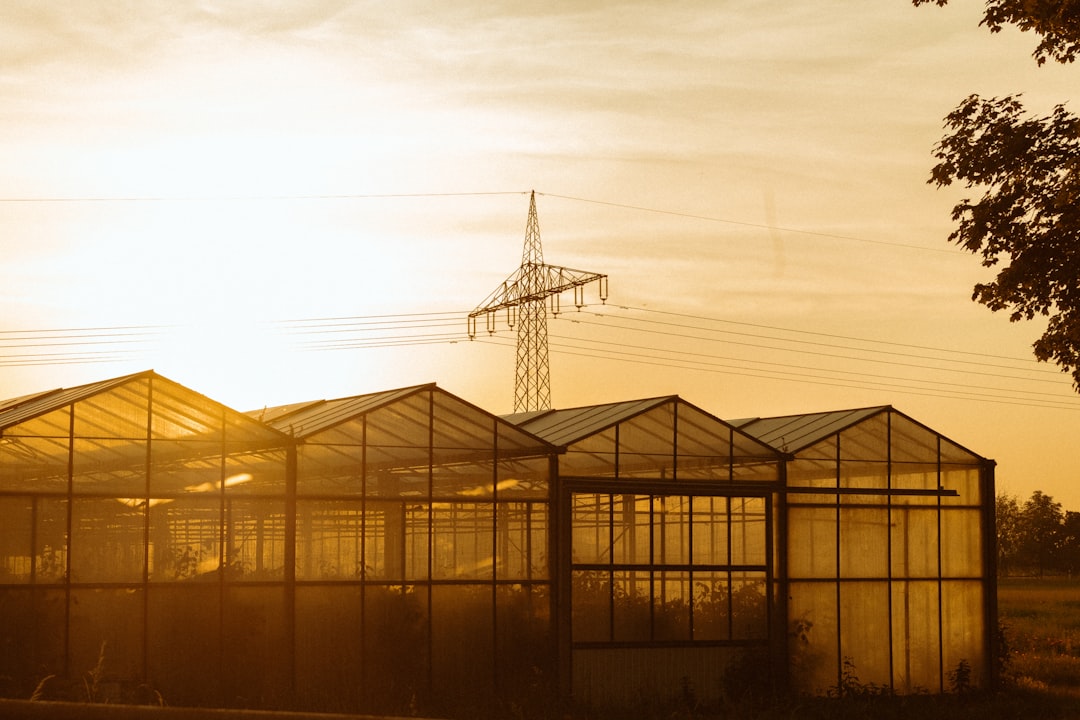
How does indoor production work?
Weather doesn’t really enter the picture indoors. A system gets built, parameters get set, and the plants respond to whatever’s programmed in; whatever’s happening outside the walls has nothing to do with it.
THCA flower raised under artificial light stays within tight temperature and humidity ranges, something open fields can’t offer since so little indoors is left to chance. Nutrients come through timed feeding lines, reaching roots on a schedule instead of reacting to whatever the day brings. Pests still slip in occasionally, sealed rooms aren’t perfect, but far fewer get through than in open ground. Filtration catches spores before mould takes hold, and that’s a big part of why buds come out looking similar cycle after cycle. Space runs tight indoors, too, so plants often get stacked vertically rather than spread across one level, and power bills climb fast since lights run nonstop through every stage of growth.
What shapes outdoor growth?
Growing outside doesn’t run on anyone’s schedule. Plants sit under real sun, rooted in actual dirt, and harvest comes whenever the season decides, not before.
Sunlight outdoors covers a spectrum no bulb has managed to copy fully, and that shows up later in how the flower actually turns out. Roots stretch as far as soil allows, pulling minerals that shape smell and taste down the line. Wind pushes against stems for months, and that steady pressure often builds tougher plant structure than anything raised under a roof. Growers outside give up a lot of say over daily conditions, since a late frost or sudden downpour can wreck weeks of progress with no way to undo it.
A few things tend to separate these harvests:
- Yields per plant often run bigger, since roots and canopy aren’t boxed in.
- Costs stay lower, sunlight does work that electricity would otherwise handle.
- Terpene depth tends to run deeper, shaped by local soil and shifting weather.
Environmental control comparison
Whoever runs an indoor setup keeps a hand on things constantly, adjusting hour to hour if needed. Outdoor growers hand that control over to conditions nobody can dictate, trading precision for scale and cheaper running costs in return.
Consistency splits the two apart clearly, too. Indoor harvests land close to schedule almost every time, similar enough that buyers know roughly what’s coming next. Outdoor batches carry the fingerprint of whatever season grew them, shifting a bit year to year in ways indoor crops rarely do across their shorter cycles.
Pests get handled differently as well. A sealed room keeps most invaders out before they show up, while open fields need constant watching for insects and fungal trouble creeping in unannounced through the season.
Quality output distinctions
Finished flowers carry traces of wherever they actually grew, and that becomes obvious the moment harvest arrives at the drying stage.
Growing indoors results in tighter, denser buds that are often coated in trichomes. Indoor plants rarely develop scent layers shaped by living soil and constantly changing weather. That outdoor stress pushes resin production higher, giving sun-grown flowers a rougher, earthier complexity some cultivators specifically chase after each season.
Indoor rooms turn out steady batches across several cycles a year, though each run stays fairly modest. In outdoor fields, harvest is determined by whether the weather cooperates.
Picking between these two paths comes down to what a grower actually wants, whether that means precision and repeatable output or scale shaped by whatever nature provides that season.