
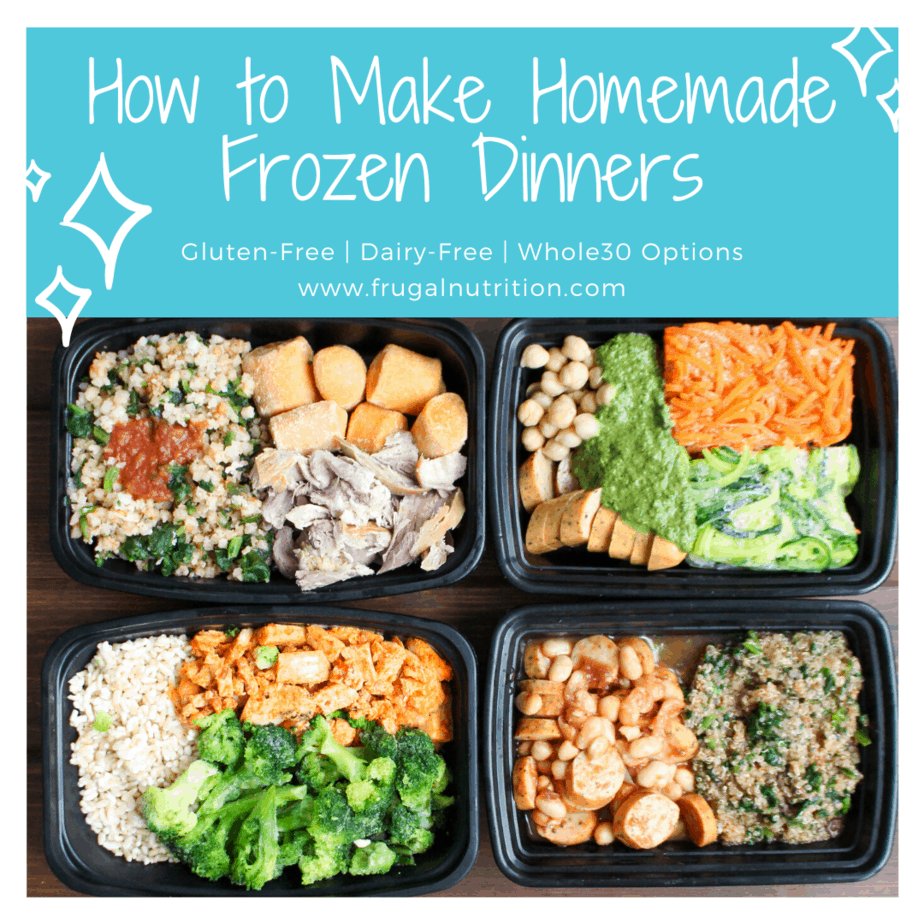
Frozen foods offer convenience and freshness, often surprising us with their quality and taste. They are a lifesaver for busy days or unexpected guests, saving time without compromising on flavor. From frozen fruits and vegetables to ready-to-eat meals, the variety is endless, making meal planning a breeze. Dive into the world of frozen foods, where deliciousness meets practicality at your fingertips.

The Wonder of Frozen Foods: A Delicious and Convenient Choice
Welcome to a fascinating exploration of the world of frozen foods! In this article, we will dive into the many benefits, misconceptions, and creative ways to enjoy the convenience and goodness of frozen foods. Let’s embark on a journey that will change the way you view these icy treasures in your freezer.
The Magic of Freezing: How Does It Work?
Have you ever wondered how those frozen peas or chicken nuggets stay fresh for so long? The secret lies in the power of freezing. When food is frozen, it is rapidly cooled to extremely low temperatures, usually below -18°C (0°F), which halts the growth of bacteria and other harmful microorganisms. This process helps to preserve the nutritional value, flavor, and texture of the food.
Benefits of Frozen Foods
1. Convenience: One of the most significant advantages of frozen foods is their convenience. Whether you’re a busy parent, a college student, or someone who simply prefers quick and easy meal options, frozen foods can be a lifesaver. They require minimal preparation and cooking time, making them ideal for hectic days.
2. Extended Shelf Life: Unlike fresh produce that can spoil quickly, frozen foods have a much longer shelf life. This means you can stock up on your favorite items without worrying about them going bad before you have a chance to enjoy them.
3. Nutritional Value: Contrary to popular belief, frozen foods can be just as nutritious as fresh foods. Thanks to the rapid freezing process, many nutrients are preserved, making frozen fruits and vegetables a convenient way to get your daily dose of vitamins and minerals.
Separating Fact from Fiction: Debunking Frozen Food Myths
There are many misconceptions surrounding frozen foods, but let’s set the record straight. Here are some common myths about frozen foods:
Myth 1: Frozen Foods Are Less Nutritious Than Fresh Foods
This myth couldn’t be further from the truth. In reality, frozen foods are often more nutritious than their fresh counterparts. Since frozen foods are typically processed shortly after harvest when they are at their peak ripeness, they retain more nutrients compared to produce that has been sitting on store shelves for days.
Myth 2: Frozen Foods Are Loaded with Preservatives
While some frozen foods may contain added preservatives for flavor or texture, many varieties are free from artificial additives. It’s essential to read the labels and choose products with minimal ingredients for a healthier option.
Myth 3: Frozen Foods Are Bland and Unappetizing
With advancements in freezing technology and food preparation methods, frozen foods today are anything but bland. From gourmet frozen meals to exotic fruit blends, the variety and quality of frozen foods have greatly improved over the years, offering flavorful and satisfying options for every palate.
Exploring the Versatility of Frozen Foods
Now that we’ve debunked some myths, let’s delve into the exciting world of frozen food possibilities. Here are some creative ways to incorporate frozen foods into your meals:
1. Smoothie Sensations
Frozen fruits like berries, mangoes, and bananas are perfect for whipping up delicious and nutritious smoothies. Simply blend your favorite frozen fruits with yogurt or milk for a refreshing treat that’s ideal for breakfast or a snack.
2. Veggie-Packed Stir-Fries
Stock your freezer with a variety of frozen vegetables such as bell peppers, broccoli, and snap peas to add a burst of color and nutrients to your stir-fries. These frozen veggies cook quickly and retain their crispness, making them a convenient and healthy addition to any stir-fry dish.
3. Flavorful Frozen Entrees
For nights when you’re short on time or energy, frozen entrees offer a convenient solution. From lasagnas and enchiladas to curry dishes and pasta bakes, there is a wide selection of frozen meals that can be easily heated and enjoyed in minutes.
Final Thoughts: Embracing the Frozen Food Revolution
As we wrap up our exploration of frozen foods, it’s clear that these icy treasures offer a myriad of benefits and delicious possibilities. Whether you’re looking for a quick meal solution, a way to reduce food waste, or a convenient way to enjoy seasonal produce year-round, frozen foods have you covered.
So, the next time you open your freezer, remember the magic and convenience that frozen foods bring to your table. With a little creativity and a willingness to embrace these frozen wonders, you can elevate your culinary experience and make mealtime a breeze. Cheers to the wonder of frozen foods!
Living On Frozen Foods For 24 Hours *Never Again*
Frequently Asked Questions
What are the advantages of purchasing frozen foods?
Frozen foods offer convenience, allowing you to store them for longer periods without worrying about expiry dates. They also retain nutrients well compared to canned foods.
How should frozen foods be stored to maintain their quality?
It is best to keep frozen foods in a freezer at 0 degrees Fahrenheit or below to prevent them from thawing. Properly sealing them in airtight containers or bags also helps maintain their flavor.
Can frozen foods be as nutritious as fresh foods?
Yes, frozen foods can be just as nutritious as fresh foods because they are picked at peak ripeness and immediately frozen, locking in essential nutrients. However, avoid frozen meals high in added sugars or sodium.
Are there any safety concerns when consuming frozen foods?
When handling frozen foods, it is important to follow proper thawing and cooking instructions to prevent the growth of harmful bacteria. Always check for any signs of freezer burn or frostbite before consuming.
Final Thoughts
In conclusion, frozen foods offer convenience without compromising taste or quality. With a wide variety of options available, frozen foods provide a quick and easy solution for busy individuals. By properly storing and preparing frozen foods, you can enjoy nutritious meals at your convenience. Incorporating frozen foods into your meal planning can help you save time and minimize food waste, making them a valuable addition to a balanced diet. Choose frozen foods that align with your dietary preferences and enjoy the benefits of their convenience and versatility.


