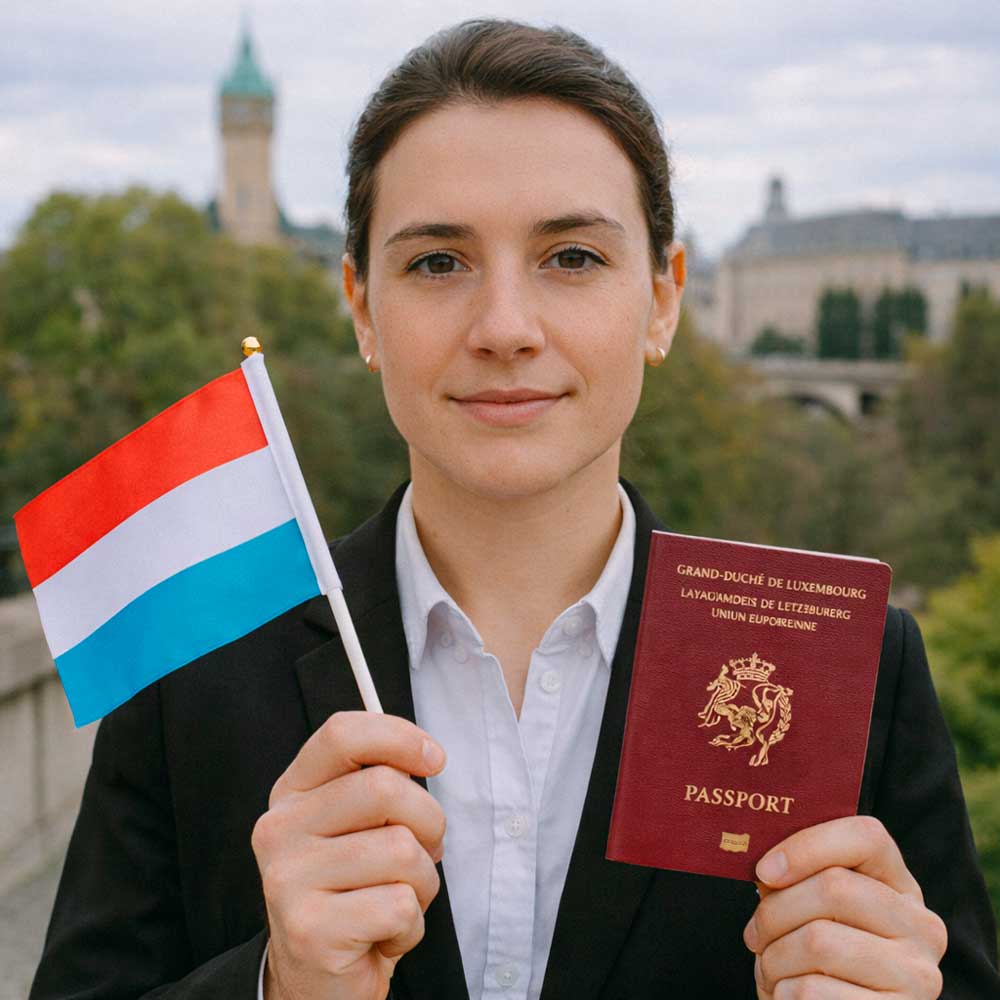
Naturalisation is often discussed as a final administrative milestone, yet preparation can begin through ordinary habits long before an application becomes possible. Keeping residence records, learning the local language, and understanding civic life all have practical value beyond nationality procedures. Individuals researching citizenship Luxembourg should distinguish the formal eligibility rules from personal integration goals. A thoughtful long-term approach can make future decisions clearer without assuming that residence alone guarantees approval.
Understand the Different Nationality Routes
Luxembourgish nationality may be acquired through different legal procedures, including naturalisation and certain option routes. Eligibility depends on individual circumstances, so applicants should not assume that a neighbour’s experience applies to them. Standard naturalisation has specific residence, language, and civic knowledge conditions. Official instructions and applicable legal requirements should guide preparation. This distinction matters especially for families whose members have different ages, residence histories, or previous nationality circumstances.
Keep a Reliable Residence History
A clear record of residence periods can be valuable when considering future eligibility. Applicants should preserve relevant official documents and check that important personal details remain consistent. Travel and periods spent outside the country may affect some legal calculations, depending on the route. Individuals should not rely only on memory when reconstructing several years of residence. Organised records make it easier to identify what information requires confirmation from the competent authorities.
Approach Language Learning Gradually
Luxembourgish language requirements form part of standard naturalisation rules, but language learning can also strengthen community participation. Short, regular sessions may be more sustainable than intensive preparation begun at the last minute. Courses, listening practice, and everyday conversations can reinforce one another. Applicants should check the official examination requirements and available exemptions or alternative conditions where relevant. Progress is individual, and confidence in daily interaction can develop alongside formal examination preparation.
Explore Civic Knowledge Beyond Memorisation
Civic education is not merely a set of answers to remember. Understanding Luxembourg’s institutions, rights, and social history can help residents participate more confidently in public life. People preparing for a nationality procedure should consult the official civic knowledge requirements and the relevant course or examination options. Reading local information, attending community activities, and discussing public services may deepen understanding, although informal participation alone does not replace mandatory legal conditions.
Build a Practical Preparation Routine
Long-term planning becomes easier when manageable tasks are spread over time. A personal checklist might include:
- Review the official nationality route that may apply.
- Keep residence documents organised and current.
- Set achievable Luxembourgish learning goals.
- Check current civic knowledge procedures.
- Confirm which personal records may later be needed.
This routine is preparatory, not an application in itself. An official assessment remains necessary when the person seeks nationality.
Recognise Each Family Member’s Position
Households that originally moved through family reunification Luxembourg procedures may eventually develop different nationality goals. However, one person’s years of residence or language preparation do not automatically establish another person’s eligibility. Adults and children may be covered by different rules. Families should assess each case individually and avoid making relocation decisions based on an assumed shared naturalisation date or an unverified shortcut.
Prepare for Formal Submission Carefully
When a person becomes eligible to apply, the official procedure requires particular documents and contact with the competent municipal authority. Applicants should check which forms, civil-status records, and supporting information are currently necessary. Documents issued abroad may need special treatment, such as translation, depending on their origin and the procedure. An accurate application is more useful than a hurried one, and applicants should avoid assuming that an early submission can overcome missing legal conditions.
Avoid Treating Citizenship as a Deadline
Nationality may be a meaningful objective, but applicants should avoid organising every family decision around an estimated approval date. Eligibility must be established under the rules in force when the procedure is pursued, and individual evidence can require additional attention. Maintaining a satisfying professional and community life in the meantime reduces unnecessary pressure. Naturalisation planning can be purposeful without making a legal outcome the sole measure of successful integration.
Conclusion
Preparing for naturalisation is partly administrative and partly a process of learning about the place where a person lives. Reliable records, language practice, and familiarity with civic responsibilities offer benefits even when an application remains years away. Information and coordination associated with immigrate.lu may help residents organise relevant questions about immigration history. A meaningful long-term goal becomes easier to approach when preparation is steady, eligibility is checked carefully, and no single certificate is mistaken for belonging.