
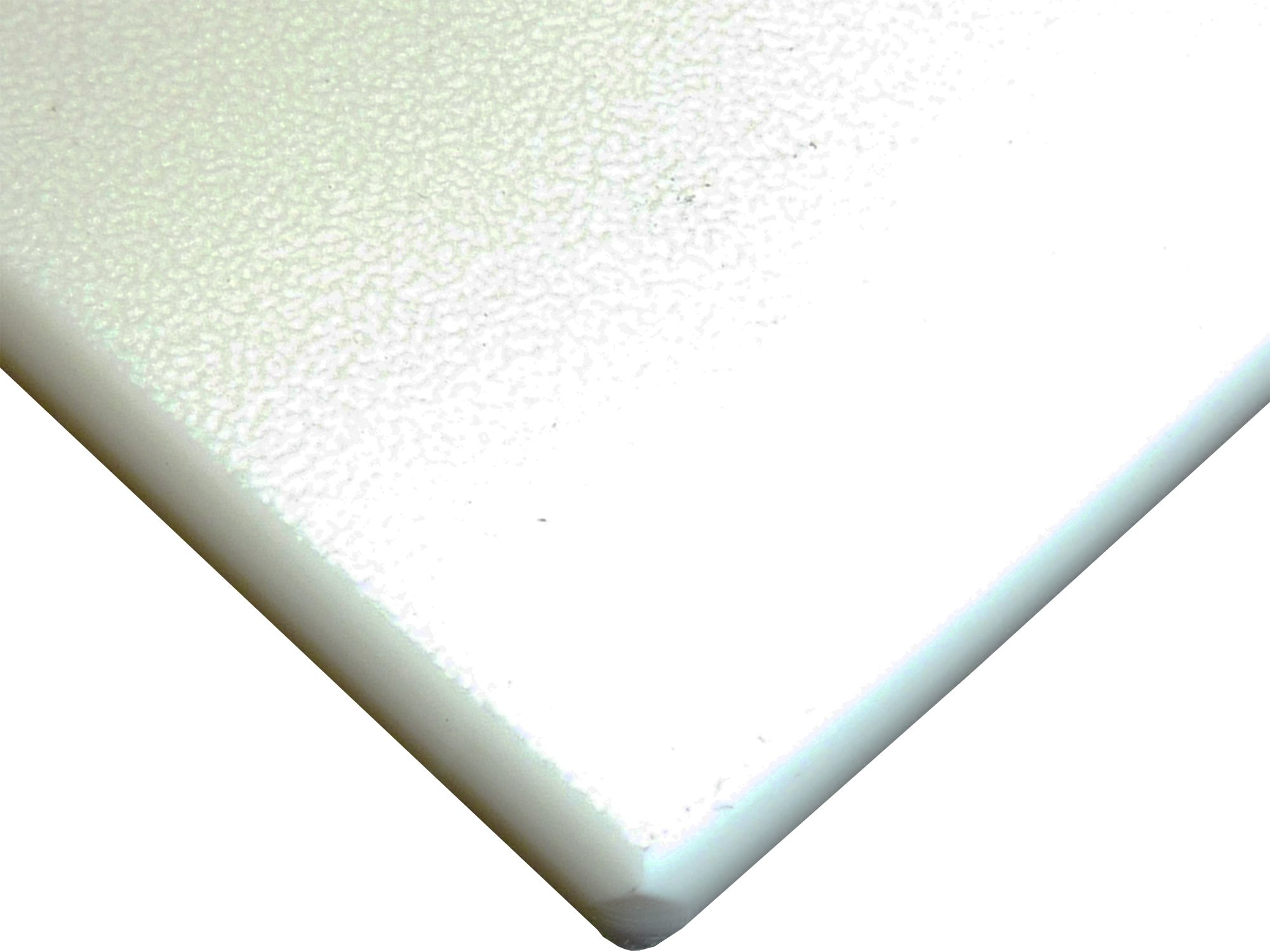
Looking for a versatile material to enhance your marine projects? Enter marine board. Durable, waterproof, and resistant to harsh marine conditions, marine board serves as the ideal solution for various marine applications. Its superior strength and longevity make it a go-to choice for boat building, dock construction, and marine furniture. With marine board, you can confidently tackle any project at sea, knowing it will stand the test of time. Dive into the world of marine board and discover the difference it can make in your marine endeavors.

Exploring the Wonders of Marine Board: A Comprehensive Guide
Welcome aboard, fellow explorers! Today, we are diving deep into the fascinating world of marine boards. Whether you are a passionate sailor, a curious student, or simply someone intrigued by the mysteries of the ocean, this guide is here to unravel the secrets of marine boards and their significance in our marine ecosystems. So, grab your snorkel gear, adjust your diving mask, and let’s embark on an unforgettable underwater journey!
What is a Marine Board?
Before we plunge into the depths of the ocean, let’s first understand what a marine board actually is. A marine board, also known as a marine plywood, is a type of engineered wood product specially designed for marine applications. Unlike traditional plywood, marine boards are crafted to withstand the harsh conditions of saltwater environments, making them ideal for use in boat building, dock construction, and various marine structures.
Imagine a sturdy and reliable companion that can brave the powerful waves, resist corrosion, and provide a stable foundation for marine projects – that’s the magic of marine boards!
The Composition of Marine Boards
So, what makes marine boards so resilient in the face of salty seas and turbulent tides? The secret lies in their composition. Marine boards are typically constructed using high-quality hardwood veneers bonded together with waterproof adhesive. This unique combination creates a strong and durable material that can withstand exposure to moisture, humidity, and marine organisms.
Additionally, marine boards are often coated with special sealants or laminates to enhance their water resistance and protect them from decay. This extra layer of defense ensures that marine boards remain intact and reliable even in the harshest marine environments.
The Versatility of Marine Boards
One of the most remarkable aspects of marine boards is their versatility. These robust wood products can be utilized in a wide range of marine applications, making them indispensable in the world of maritime construction and design. From building boats and yachts to constructing docks, piers, and seawalls, marine boards play a vital role in shaping our coastal infrastructure.
Moreover, marine boards are also used in furniture making, decorative paneling, and interior design projects that require a touch of nautical charm. With their strength, durability, and aesthetic appeal, marine boards offer endless possibilities for creative ventures both on land and at sea.
The Environmental Impact of Marine Boards
As we navigate the waters of sustainability and conservation, it’s essential to consider the environmental impact of marine boards. While these specialized wood products provide invaluable support for marine endeavors, their production and disposal can have consequences for our marine ecosystems.
To minimize the ecological footprint of marine boards, manufacturers are increasingly turning to sustainable forestry practices and eco-friendly production methods. By sourcing wood from responsibly managed forests, implementing waste reduction strategies, and promoting recycling initiatives, the marine board industry is striving to strike a balance between innovation and environmental stewardship.
Protecting Our Oceans for Future Generations
As stewards of the sea, it is our collective responsibility to safeguard our oceans and marine life for future generations. By choosing sustainable marine board products, supporting conservation efforts, and raising awareness about marine conservation issues, we can all contribute to the preservation of our precious marine ecosystems.
Conclusion: Navigating the Seas with Marine Boards
As we wrap up our expedition into the realm of marine boards, I hope you have gained a newfound appreciation for these remarkable wood products and their vital role in marine engineering and design. From their durability and versatility to their environmental impact and sustainability efforts, marine boards embody the spirit of innovation and resilience that defines our relationship with the ocean.
So, the next time you set sail on a boat, stroll along a waterfront boardwalk, or admire a beautifully crafted piece of marine furniture, take a moment to think about the unsung hero behind the scenes – the marine board. And remember, as we navigate the seas of life, let’s always tread lightly on the waves and leave behind nothing but ripples of positive change.
Marine Plywood vs. Cheaper Options
Frequently Asked Questions
What is a marine board used for?
A marine board is typically used for boat building, marine applications, and outdoor furniture due to its waterproof and weather-resistant properties. It is commonly used as a material for constructing decks, docks, and other marine structures.
What are the key features of marine board?
The key features of marine board include its high level of water resistance, durability, and ability to withstand harsh marine environments. It is also lightweight, easy to work with, and requires minimal maintenance, making it a popular choice for marine projects.
How do you clean and maintain marine board?
To clean marine board, simply use a mild soap and water solution and a soft brush or cloth to remove any dirt or grime. Avoid using harsh chemicals or abrasive cleaners, as these can damage the material. Regular cleaning and occasional application of a UV protectant can help prolong the lifespan of marine board.
Final Thoughts
In conclusion, marine boards play a crucial role in marine conservation efforts. By regulating activities such as fishing and shipping, marine boards help protect vulnerable ecosystems and marine species. Through strategic planning and thoughtful decision-making, marine boards ensure sustainable use of marine resources for future generations. Overall, the importance of marine boards cannot be overstated in safeguarding our oceans and promoting environmental stewardship.


